
Pastel is a canvas-based review tool for collecting visual feedback on websites, PDFs, images, and videos. Plenty of teams are happy with it. This page is for the ones who are not sure it fits anymore, with five options checked against each tool's own site on July 20, 2026.
Full disclosure: layernote is ours, and it is first on this list. That is exactly why every claim below links back to what each vendor says about themselves, including the cases where another tool, Pastel included, is the better pick.
Why teams look beyond Pastel
- No documented Figma integration; their docs cover Adobe XD instead
- No comparison between the design and the built page
- No first-party AI features or MCP server
- Free plan allows one active canvas with a 3-day commenting window
Verified on usepastel.com. Spot something outdated? Tell us and we will fix it.
Best Pastel alternatives at a glance
| Tool | Best for | Starting price |
|---|---|---|
| 1. layernote | Design review with Figma vs live comparison | $19/mo flat |
| 2. BugHerd | Client feedback with a kanban workflow | $50/mo (5 members) |
| 3. MarkUp.io | Simple review of many file types | $79/mo flat |
| 4. Ruttl | Budget feedback across many surfaces | $18/user/mo |
| 5. Marker.io | Bug reporting into your issue tracker | $59/mo ($39 annual) |
1. layernote

Pastel and layernote both make client feedback painless: share a link, let anyone comment, no accounts needed. The difference is what happens after the feedback lands. layernote adds the design QA half: it compares your Figma design to the live page, hands fixes to your coding agent, and re-checks until the page matches.
Pastel vs layernote: at a glance
| Pastel | layernote | |
|---|---|---|
| Best for | Canvas review of mixed content | Design review with Figma vs live comparison |
| Starting price | $35/mo (2 users) | $19/mo flat |
| Free to try | Free plan, 1 active canvas | 14-day trial |
| Figma vs live | No | Studio plan |
| MCP handoff | No | Yes |
Why it is on top
- Automated design QA: layernote lines up your Figma design against the live page and lists every difference with expected and actual values.
- Fixes that prove themselves: annotations flow to Claude Code or Cursor over MCP, and every fix is re-checked on the live page before it closes.
- Documented Figma workflows: sync frames with the layernote Figma plugin. Pastel mentions Figma in marketing, but its docs only cover Adobe XD.
- A lower paid entry point: Solo starts at $19 per month against Pastel Pro at $35.
Pricing
Solo at $19 per month, Studio at $39 with unlimited design comparisons, Team at $59. Flat per workspace, never per seat, and clients always review free. Every plan starts with a 14-day free trial on Studio, no credit card needed.
2. BugHerd
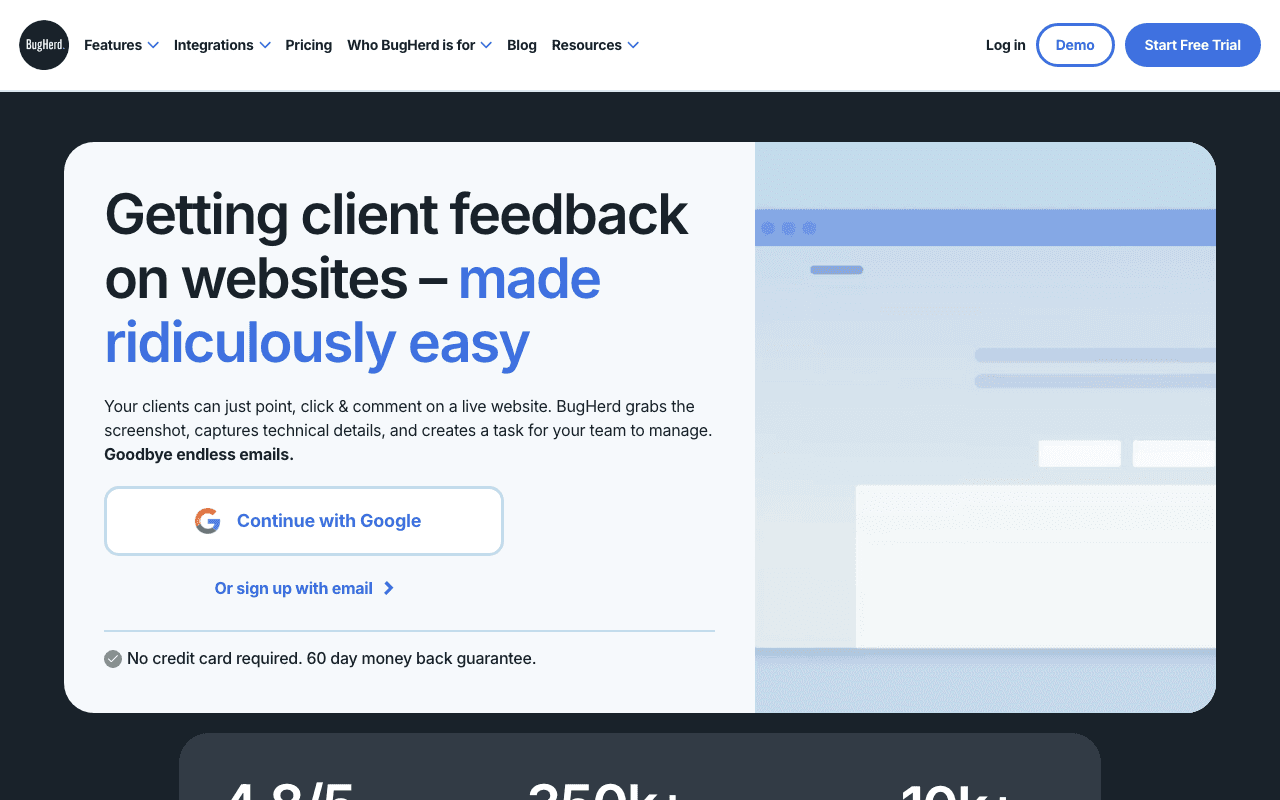
BugHerd is a visual feedback and bug tracking tool where clients pin comments on live websites and feedback becomes tasks on a kanban board.
Pastel vs BugHerd: at a glance
| Pastel | BugHerd | |
|---|---|---|
| Best for | Canvas review of mixed content | Client feedback with a kanban workflow |
| Starting price | $35/mo (2 users) | $50/mo (5 members) |
| Free to try | Free plan, 1 active canvas | 7-day trial |
| Figma vs live | No | No |
| MCP handoff | No | Beta |
Pros
- Pin comments on live sites with auto screenshots and browser metadata
- Unlimited client users on every plan, no accounts needed for guests
- Built-in kanban board, including a simplified client-facing version
- Wide native integration set: Jira, Asana, ClickUp, Monday, Linear
Cons
- Figma support is prototype feedback only, no design-vs-live comparison
- No free tier, and the entry plan is $50 per month for 5 members
- Member caps per tier with paid add-on seats
- AI and MCP features are still in beta
Pricing
BugHerd starts at $50/mo (5 members) (7-day trial). Checked July 20, 2026 on bugherd.com.
3. MarkUp.io
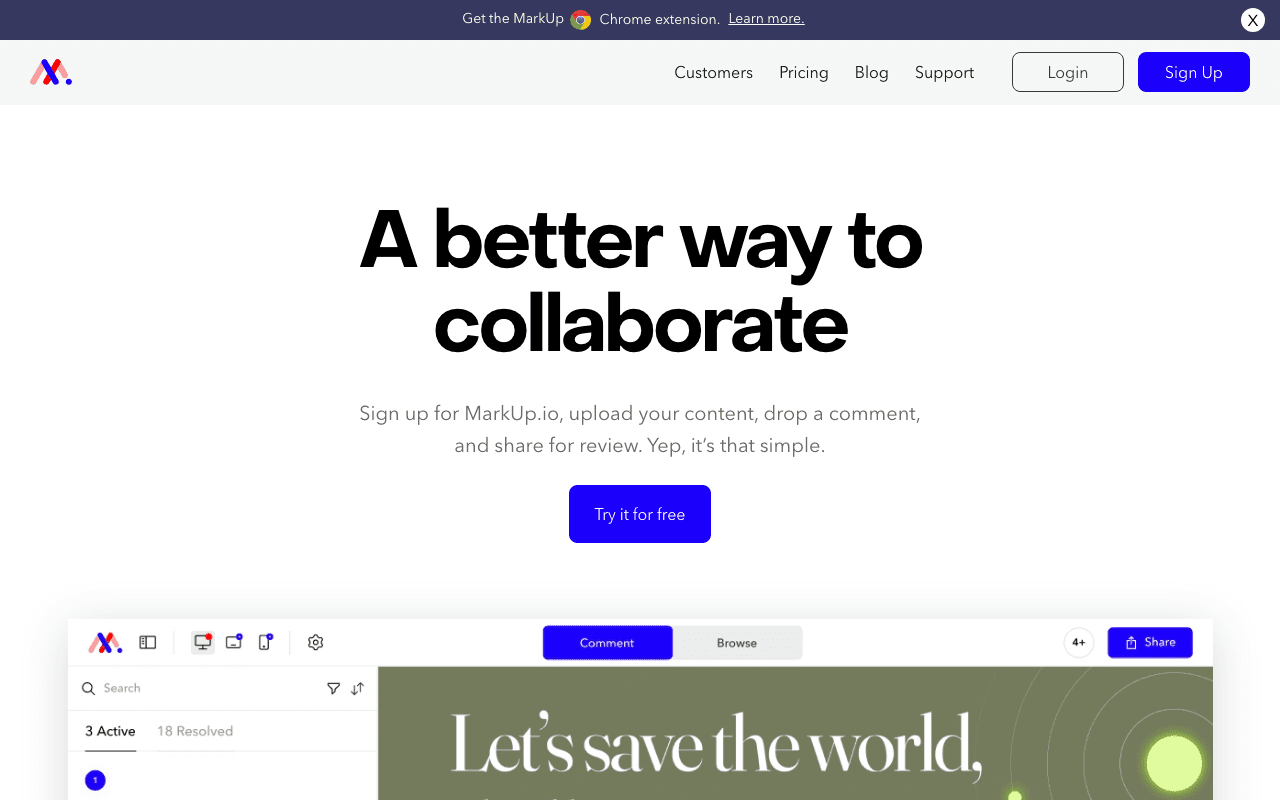
MarkUp.io is a visual commenting tool from Ceros for leaving feedback on websites, images, PDFs, videos, and 30+ file types.
Pastel vs MarkUp.io: at a glance
| Pastel | MarkUp.io | |
|---|---|---|
| Best for | Canvas review of mixed content | Simple review of many file types |
| Starting price | $35/mo (2 users) | $79/mo flat |
| Free to try | Free plan, 1 active canvas | 14-day trial |
| Figma vs live | No | No |
| MCP handoff | No | No |
Pros
- 30+ file types on one flat plan, including video
- Unlimited admins, members, and guests on the Pro plan
- Guests comment without registration
- Google and Microsoft SSO included on the entry plan
Cons
- No Figma file support per their own docs; the workaround is exporting images
- No design comparison, AI features, or MCP
- $79 per month for a single workspace; each extra workspace is a full extra subscription
- Private MarkUps become public if the subscription lapses, per their FAQ
Pricing
MarkUp.io starts at $79/mo flat (14-day trial). Checked July 20, 2026 on markup.io.
4. Ruttl

Ruttl is a website feedback platform for commenting on live sites, web apps, mobile apps, images, and PDFs, with a built-in kanban workflow.
Pastel vs Ruttl: at a glance
| Pastel | Ruttl | |
|---|---|---|
| Best for | Canvas review of mixed content | Budget feedback across many surfaces |
| Starting price | $35/mo (2 users) | $18/user/mo |
| Free to try | Free plan, 1 active canvas | Free plan, 10 comments |
| Figma vs live | No | No |
| MCP handoff | No | No |
Pros
- Free plan, and live sites, web apps, mobile apps, images, and PDFs in one tool
- Guest commenting through a share link, no signup
- Built-in kanban workflow and versioning
- Native Jira, Trello, Asana, ClickUp, and Slack integrations
Cons
- Per-seat pricing: $18 per user per month on Pro
- Figma is listed as coming soon on their own integrations page
- No design-vs-live comparison and no MCP or coding agent handoff
- Free plan is tight: 1 project, 5 pages, 10 comments
Pricing
Ruttl starts at $18/user/mo (free plan, 10 comments). Checked July 20, 2026 on ruttl.com.
5. Marker.io
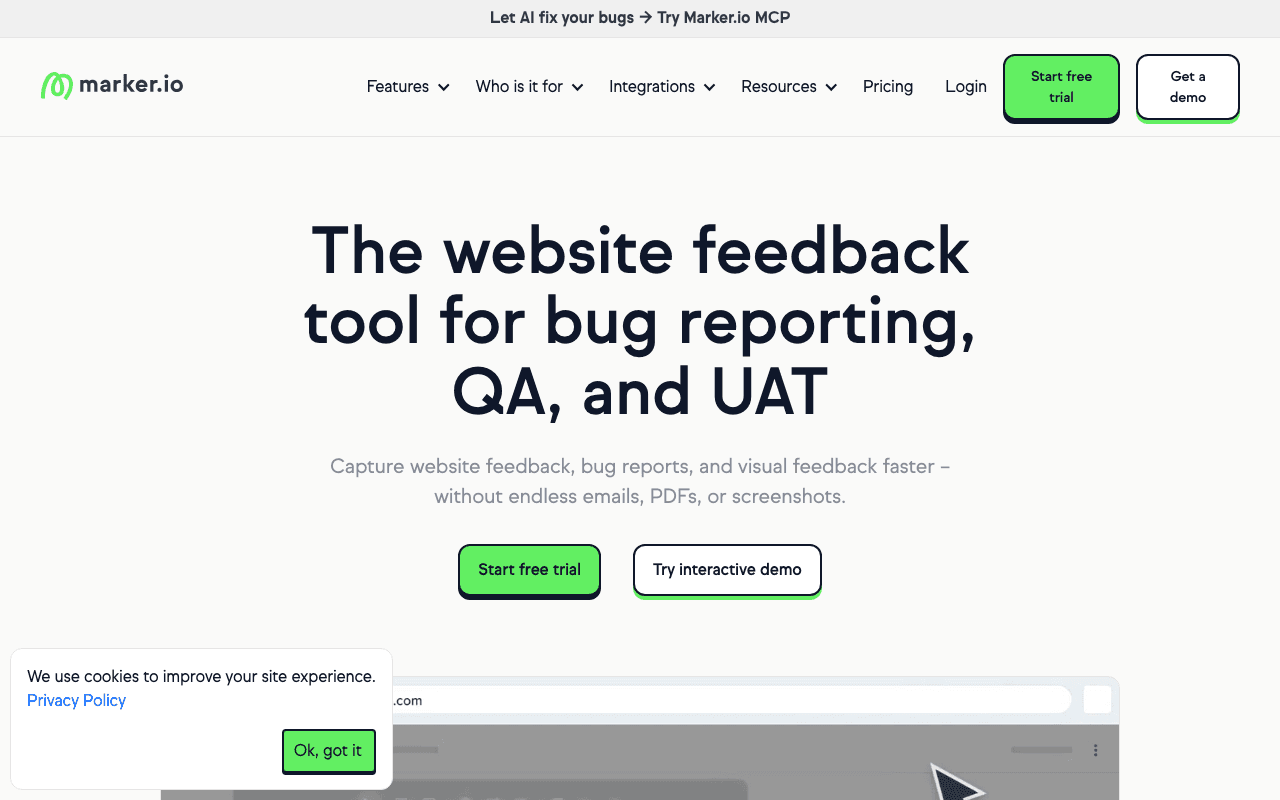
Marker.io is a website bug reporting tool for QA and UAT, built around screenshots, console logs, and deep issue tracker integrations.
Pastel vs Marker.io: at a glance
| Pastel | Marker.io | |
|---|---|---|
| Best for | Canvas review of mixed content | Bug reporting into your issue tracker |
| Starting price | $35/mo (2 users) | $59/mo ($39 annual) |
| Free to try | Free plan, 1 active canvas | 15-day trial |
| Figma vs live | No | No |
| MCP handoff | No | Beta |
Pros
- Two-way sync with Jira, Linear, GitHub, and Azure DevOps
- Session replay plus console and network logs with every report
- Unlimited free reporters; feedback without an account
- MCP integration so coding agents can read and update issues (beta)
Cons
- Website-only: no image, PDF, or design file review
- No Figma integration and no design comparison
- No native task board; workflow lives in your issue tracker
- Entry plan is $59 per month billed monthly, with session replay and Jira on higher tiers
Pricing
Marker.io starts at $59/mo ($39 annual) (15-day trial). Checked July 20, 2026 on marker.io.
Next steps: choosing your Pastel alternative
If your reviews are about whether the built page matches the design, we obviously recommend starting with layernote's free 14-day trial, for three reasons:
- It is the only tool on this list that compares the live page to your Figma design and reports expected against actual values.
- Annotations flow to Claude Code or Cursor over MCP, and every fix is re-checked on the live page before it closes.
- Pricing is flat per workspace and clients always review free, so a review round never costs your client anything.
Start your free 14-day layernote trial, no credit card required.
Sticking with Pastel?
No problem! It is genuinely the better fit if:
- You want a plan that stays free: Pastel's Free Forever tier covers one active canvas at a time.
- You review video: Pastel canvases also take video files, which layernote does not.
- You want approval workflow out of the box: review deadlines, approvals, and pausing comments are Pastel staples.
The honest advice: most of these tools have a free trial or free plan. Run your next review round in two of them and see which one your clients actually use.

Founder of layernote. Making sure what you design is what you ship.